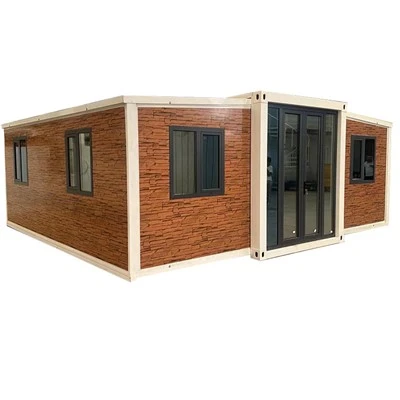
As a supplier of expandable container houses, I understand the growing interest in creative and functional uses for these versatile structures. One such exciting application is installing a greenhouse within an expandable container house. Not only does this combination offer a practical solution for year – round gardening, but it also maximizes the use of space and provides a controlled environment for plants. In this blog, I’ll walk you through the process of installing a greenhouse in an expandable container house, from planning to the final touches. Expandable Container House
Planning Your Greenhouse
Assessing Your Needs
First and foremost, it’s essential to assess your needs as a gardener. Consider the types of plants you want to grow. Different plants have different requirements for light, temperature, humidity, and space. For instance, tropical plants thrive in warm, humid conditions, while succulents prefer drier and sunnier environments. Decide whether you’re going to grow vegetables, flowers, or herbs. This will influence the size, layout, and equipment needed for your greenhouse.
Selecting the Right Container House
When choosing an expandable container house for your greenhouse, size matters. Measure the space carefully and think about future expansion. You may also want to consider the orientation of the container. South – facing containers receive more sunlight throughout the day, which is ideal for most plants. Additionally, check the insulation properties of the container. Good insulation helps to maintain a stable temperature inside the greenhouse, reducing the need for excessive heating or cooling.
Designing the Layout
Once you’ve chosen the container, it’s time to design the layout. Plan the placement of shelving, benches, and irrigation systems. Shelving can maximize the use of vertical space, allowing you to grow more plants in a limited area. Benches provide a convenient working surface for planting, potting, and caring for your plants. Consider leaving enough aisle space for easy movement inside the greenhouse.
Preparing the Container House
Cleaning and Sanitizing
Before starting the installation process, thoroughly clean and sanitize the interior of the expandable container house. Remove any debris, dust, or contaminants that may be present. This helps prevent the spread of diseases and pests in the greenhouse environment. You can use a mild detergent and water solution to clean the walls, floors, and ceiling of the container.
Reinforcing the Structure
Since a greenhouse will hold a significant amount of weight, including soil, plants, and water, it’s important to reinforce the structure of the container. Check the existing frame and connections. If necessary, add additional support beams or braces to ensure the container can withstand the load. This step is crucial for the long – term stability and safety of your greenhouse.
Installing Ventilation
Proper ventilation is vital for a healthy greenhouse environment. It helps to regulate temperature, humidity, and air circulation. Install vents at the top and bottom of the container. Roof vents allow hot air to escape, while side vents promote cross – ventilation. You can also consider installing exhaust fans or louvers to enhance air movement. Automated ventilation systems can be set to open and close based on temperature and humidity levels, providing optimal conditions for your plants.
Building the Greenhouse Components
Installing Shelving and Benches
Construct or install shelving and benches according to your layout plan. You can use a variety of materials, such as wood, metal, or PVC. Wood is a popular choice for its natural look and warmth, but it may require regular maintenance. Metal is durable and easy to clean, while PVC is lightweight and resistant to moisture. Make sure the shelving and benches are securely attached to the container walls to prevent them from tipping over.
Setting Up the Irrigation System
A reliable irrigation system is essential for keeping your plants hydrated. There are several types of irrigation systems available, including drip irrigation, soaker hoses, and sprinkler systems. Drip irrigation is a popular choice for greenhouses as it delivers water directly to the base of the plants, minimizing water waste. You can connect the irrigation system to a water source, such as a rain barrel or a garden hose. Consider adding a timer to automate the watering process, ensuring consistent moisture levels for your plants.
Installing Lighting
In areas with limited sunlight, or during the winter months, additional lighting may be necessary to support plant growth. LED grow lights are a popular option as they are energy – efficient and can be customized to provide the specific light spectrum required by different plants. Install the lights at an appropriate height above the plants, taking into account the recommended light intensity and distance for the types of plants you are growing.
Finishing Touches
Adding Insulation
To further regulate the temperature inside the greenhouse, consider adding insulation to the walls and ceiling of the container house. Insulation materials such as foam boards or reflective insulation can help reduce heat loss in the winter and heat gain in the summer. This creates a more stable environment for your plants and can lower your energy costs.
Creating a Flooring System
Choose a suitable flooring for your greenhouse. Options include gravel, concrete, or rubber mats. Gravel provides good drainage, while concrete is durable and easy to clean. Rubber mats are comfortable to stand on and can reduce noise levels. Make sure the flooring is level and provides a stable surface for the shelving, benches, and plants.
Monitoring and Maintaining the Greenhouse
Regular monitoring and maintenance are key to the success of your greenhouse. Use a thermometer and hygrometer to check the temperature and humidity levels daily. Adjust the ventilation, heating, or cooling systems as needed. Inspect the irrigation system for leaks and blockages. Prune, fertilize, and water your plants according to their specific needs. By staying on top of maintenance tasks, you can ensure a healthy and productive greenhouse environment.
Conclusion
Installing a greenhouse in an expandable container house is a rewarding project that combines the functionality of a container with the benefits of controlled – environment gardening. With careful planning, proper preparation, and attention to detail, you can create a thriving greenhouse that allows you to grow your favorite plants year – round.
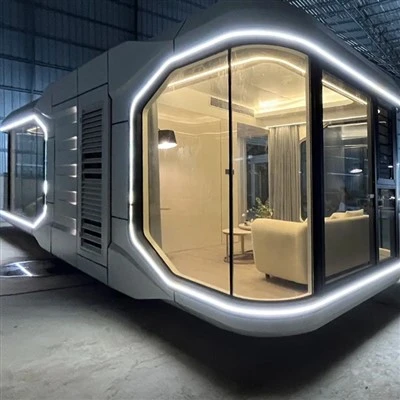
Capsule House If you’re interested in exploring the possibilities of an expandable container house for your greenhouse or other applications, I invite you to reach out to discuss your specific needs. Our team of experts is ready to assist you in finding the perfect solution for your project.
References
- "The Complete Guide to Greenhouse Gardening" by Smith, John.
- "Container Home Design and Build" by Doe, Jane.
- "Sustainable Gardening Techniques" by Green, Ella.
Jiangsu Suqian Longze Modular Construction Co., Ltd.
As one of the most professional expandable container house manufacturers and suppliers in China, our products have good reputation in the market. Please feel free to buy high quality expandable container house at competitive price from our factory. We also accept customized orders.
Address: No. 8, Weisan Road, Shuanggou Town, Sihong County, Suqian City, Jiangsu Province, China
E-mail: Lzmk88888888@163.com
WebSite: https://www.expandablehousefactory.com/
