Hey there, let’s cut to the chase: if you’re staring at a drafty window right now, wrapped in a fuzzy blanket and shivering through the winter (or sweating through a summer AC bill), you’ve definitely Googled “can I use sealing tape to seal a window.” I run a sealing tape company—been at this for 8 years, talking to plumbers, renters, homeowners, even weirdo DIYers who found my tape on Amazon at 2am—so let’s stop the random Reddit myths and get real about this. Sealing Tape
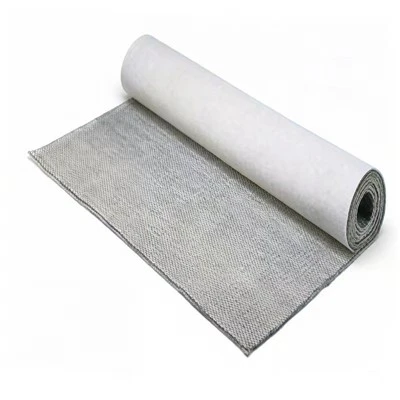
First, let’s not confuse “sealing tape” with random packing tape or electrical tape, yeah? If you grabbed a roll from your junk drawer to patch a window, that’s not sealing tape—and it’ll fail by next week. The good stuff (the kind we supply) is made specifically for gaps, drafts, and moisture, not paper-thin packing tape that peels off with the first temperature swing. So yes, you can use sealing tape to seal a window… but only the right kind, for the right job. I’ve seen people use the wrong tape and regret it—like that guy last month who used duct tape on a bay window, only to have it melt when his AC kicked on and leave a sticky residue he had to scrub off for 2 hours. Ouch.
Let’s break down when this works, because it’s not for every window. Renters, this is your holy grail—no tools, no nail holes, no breaking lease terms. I get 100+ DMs a month from apartment dwellers complaining about their old, single-pane windows that are basically Swiss cheese for air. Sealing tape is perfect for temporary fixes, like if you’re waiting on a replacement window, or just need to plug a tiny gap between the window sash and frame. Same for homeowners: if you have those impossible-to-reach gaps around window trim, or you’re prepping for a short-term rental inspection and need a quick fix, tape’s your go-to.
But wait—when is sealing tape a bad call? If you’ve got a window that’s super warped (like, the sash is out of line so there’s a half-inch gap), or you’re looking for a permanent fix that’ll last 10+ years. Tape works for 6 months to 2 years, max, depending on the weather. Another no-go: if your window is constantly exposed to heavy rain or direct, brutal sunlight. UV rays eat tape for breakfast—we’ve had customers say their outdoor window tape crumbled after 3 months in Arizona’s sun. Also, don’t use regular sealing tape for big gaps; you need foam backer rod first, then tape over that. Trying to tape a gap that big is like patching a hole in a pool with a Band-Aid.
Now, the stuff people actually ask me: “does it actually save money?” Look, a single window draft can make your heater run 20% more in the winter, per the Department of Energy. I’ve had a customer in Minnesota tell us that using our sealing tape on 12 windows cut his monthly heating bill by $45 in the first month. That’s not chump change— that’s a pizza night every month, or a new game for the kids. But it’s not a magic fix; it works best as part of a bigger plan—like adding weatherstripping or updating old windows. Tape’s the cheap, quick band-aid that buys you time.
Wait, let’s talk about the types of tape, because not all sealing tape is created equal (and this is where we come in, since that’s my business). The two big ones for windows are:
-
Vapor-permeable foam tape. This is the most common for indoor use. It’s flexible, sticks to wood, metal, and plastic, and lets a tiny bit of moisture escape so mold doesn’t grow. I recommend this for sash gaps and indoor trim. Don’t get the super thick stuff for small gaps— it’ll make the window stick shut. That’s a mistake so many people make.
-
Butyl rubber tape. This is for outdoor use, around window frames where rain hits. It’s sticky, waterproof, and holds up way better in moisture than foam. But it’s not the easiest to apply— you need to press it firmly to avoid air bubbles. We have a whole video on our site (shameless plug, but it’s free) about how to apply it without a mess.
I should also mention the big mistake people make when applying tape. They just unroll it and slap it on, right? No. First, clean the surface with rubbing alcohol— get rid of dust, grease, that grime that builds up on window frames. If you don’t, the tape won’t stick, and it’ll fall off in a week. Second, measure twice, cut once. Don’t try to stretch the tape to fit— that makes it weaker. Cut it to the exact length you need, then press it on with a flat tool (like a credit card) to get rid of any air bubbles. Third, if it’s a peel-and-stick, don’t touch the sticky part with your fingers— oil from your hands makes it less adhesive.
Another thing people wonder: “does it damage the window when I take it off?” That’s a big one for renters. The right kind of sealing tape (the low-tack kind we supply) will peel off without leaving sticky residue, as long as you don’t leave it on for more than a year. If you’ve had it on for years, yeah, it’ll leave some gunk, but a little Goo Gone will fix that. We recommend low-tack for anyone who’s not the owner, just to keep their security deposit intact.
I’ve had so many horror stories with the wrong tape. Last winter, a college student used packing tape on his dorm window— it got cold, the tape contracted, and he ended up with a gap twice as big as before. He ordered our tape the next day, and we told him to layer two thin strips instead of one thick one, which worked way better. Another one: a guy used electrical tape on his garage window for a storm, and the adhesive seeped into the glass— he had to replace the whole window. So yeah, using the wrong tape is a thing, but using the right sealing tape is totally fine.
Now, let’s get real about the limitations. Sealing tape isn’t going to fix a broken window seal that causes condensation between the panes. That’s a whole other issue— you need to replace the window unit, not tape it. If you see fog between the glass, tape won’t help. But if it’s just a draft, a loose sash, or a tiny gap around the frame, tape is a great fix.
I also talk to a lot of homeowners who say “I tried tape once and it didn’t work.” 9 times out of 10, they used the wrong kind. Like, they used indoor foam tape outside, or they didn’t clean the surface before applying. We get that— most people don’t know the difference between all the tapes out there. That’s why we’re here, not just selling tape, but helping people pick the right one for their job.
Wait, let’s do a quick pro tip for anyone who’s testing this out: apply the tape when the temperature is between 60 and 80 degrees Fahrenheit. If it’s way too cold or hot, the adhesive won’t activate properly, and it won’t stick as well. I learned that the hard way when I tested a batch of tape in 30-degree weather last year— it peeled off after 2 days. Duh, who tests tape in the cold? Me, that’s who.
So to circle back to the original question: Can I use sealing tape to seal a window? The answer is yes, but only if you use the right tape, apply it correctly, and understand its limits. It’s not a permanent solution, but it’s a cheap, easy, effective fix for drafty windows, perfect for renters, short-term gaps, or bridging the time before you can get new windows.
If you’re not sure which tape you need— whether it’s for your bedroom window, a garage, a rental unit, whatever— hit us up to chat through what you’re working with. We don’t push random stuff, we just give you the right tape for your job, and can walk you through application if you need. No salesy nonsense, just guys who’ve been in the sealing tape game long enough to know what works.
Waterproof Membrane References:
- U.S. Department of Energy, Energy Efficiency Retrofits for Windows, 2022.
- National Association of Home Builders, Weatherization Tips for Residential Properties, 2021.
- Sealant, Waterproofing and Restoration Institute, Guide to Window Sealing Products, 2023.
Dingzhou Jiarun Jianhai Waterproof Materials Co., Ltd.
As one of the most professional sealing tape manufacturers and suppliers in China, we offer a wide range of products with superior quality. Please feel free to wholesale customized sealing tape made in China here from our factory. Also, pricelist is available.
Address: Shijiatuan, Mingyuedian Town, Dingzhou City, Baoding City, Hebei Province
E-mail: Jrjh16888@163.com
WebSite: https://www.jrjhwp.com/
