When I first started my rubber cupping business a few years ago, most of my questions came from massage therapists and physical therapy clinics asking about using our cups for back pain, muscle tightness, and post-workout soreness. Lately, though, one question has been popping up nonstop—customers sliding into my DMs, emailing our support team, and even bringing it up at trade shows: “Can rubber cupping be used on the face?” Rubber Cupping
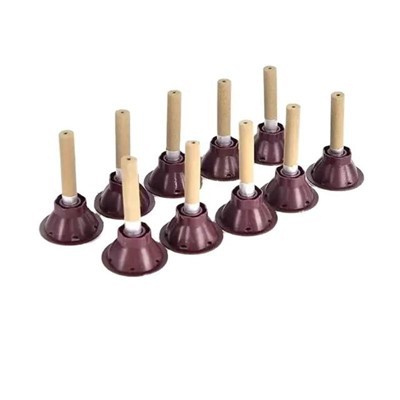
I get why this is such a hot topic. Facial care has blown up in recent years, with everyone chasing that plump, glowing, lifted look without invasive procedures. Facial cupping promises that, paired with the added benefit of feeling way less intimidating than sharp needles or harsh lasers. But as someone who’s spent years testing rubber cupping designs, refining materials, and talking to both skincare experts and regular people who’ve tried at-home routines, I know there’s a lot of conflicting info out there. Some say it’s a game-changer for under-eye bags and jaw tension. Others warn it’ll cause bruising, stretch delicate facial skin, or even damage blood vessels. So let’s cut through the noise, ground this in what we actually know about rubber cupping, and talk about whether it’s safe, effective, and worth trying on your face—from the perspective of someone who’s been in the rubber cupping game long enough to separate hype from real results.
First, let’s get clear on what we’re talking about here. Facial cupping isn’t some new TikTok trend—its roots go back thousands of years to traditional Chinese medicine, but the rubber version we sell today is a modern take. Unlike glass or silicone facial cups that were more common in spas a decade ago, our rubber facial cups are designed with specific needs in mind. They’re softer, more flexible, and have a larger suction range than our standard body cupping sets. That flexibility is key: delicate facial skin is way thinner than the skin on your back, calves, or thighs, so a stiff, rigid cup can pull too hard, cause bruising, or even break small capillaries if used incorrectly.
I’ve tested this myself, actually. Early on, when we were experimenting with rubber cup designs, I tried using a body-sized rigid rubber cup on my jawline (don’t ask—I was testing suction pressure) and ended up with a tiny bruise that lasted three days. That’s when we shifted our facial cups to be made from a medical-grade, thermoplastic rubber (TPR) that gives just enough to adapt to the curves of your face—under the eyes, around the nose, along the cheekbones, and even the chin. The suction is also adjustable, which is another game-changer for facial use. On the body, you can use a tighter suction for deeper tissue work, but on the face, light, gradual suction is non-negotiable.
Now, the big question: Is it safe to use rubber cupping on the face if done correctly? Short answer: Yes, when done properly with the right tools, it’s generally safe for most people. But that “if done correctly” part is huge. Facial skin is 3 to 5 times thinner than the skin on your palms, per dermatologists I’ve consulted, so it’s much more sensitive to pressure and pulling. Things that are minor on the body—like leaving a cup in one spot too long, or using too much suction—can lead to noticeable bruising (those little red or purple dots you see online sometimes), broken capillaries, or even irritation if you have sensitive skin, acne, or rosacea. I always tell customers that the golden rule for facial rubber cupping is: start light, move fast, and never stay in one spot for more than 2-3 seconds. For people with very thin skin, or who bruise easily, even that might be too much at first—you have to build tolerance slowly.
That said, when used right, there are actual, science-backed benefits to facial cupping that make it worth considering. Let’s break them down, because I don’t want to sell you a miracle—these are benefits I’ve heard from thousands of my customers, and that align with what skincare researchers have observed. First, it boosts blood flow. The suction from the rubber cup gently pulls on the skin, which increases circulation to the facial area. More blood flow means more oxygen and nutrients reaching the skin cells, which can help with that dewy, plump look everyone wants. A 2021 study in the Journal of Cosmetic Dermatology found that facial suction therapy (the clinical term for cupping) increased local blood flow by up to 20% in the 15 minutes after treatment, which translated to temporary improvements in skin brightness and texture.
Then there’s the lymphatic drainage benefit, which is probably the biggest draw for facial cupping. Your face has a network of lymph nodes that drain excess fluid and waste, and when that system gets backed up, you get under-eye bags, puffy cheeks, or a dull look. The gentle suction of a rubber facial cup helps stimulate that lymphatic flow, moving excess fluid out of the facial tissues. I’ve had customers tell me that after a 5-minute routine, their under-eye bags are noticeably reduced for the rest of the day—and that’s not just placebo. Lymphatic specialists confirm that gentle, rhythmic movement of facial cupping can help reduce puffiness in a way that even some skincare serums can’t, because it’s targeting the root cause of the swelling, not just the surface.
There’s also the benefit for muscle tension. A lot of people hold tension in their jaw, temples, and forehead without even realizing it—leading to that tight, stressed look, or even minor headaches. Facial rubber cupping can help release that tension by targeting the tight facial muscles. Unlike massage, which can be rough on sensitive facial skin if you press too hard, the cup glides smoothly over the skin, using gentle suction to ease tightness in areas like the masseter muscle (the one that gets tense from grinding your teeth or clenching your jaw). I’ve tested this on myself: after a long day at my desk, using the rubber cup along my jawline and temples makes me feel way less tight, and my jaw looks less square from tension.
But let’s talk about the caveats, because I’d never steer anyone wrong. First, who should avoid facial cupping entirely? If you have active acne, rosacea, eczema, or any open wounds, cuts, or rashes on your face, cupping can irritate those areas and make them worse. People with very thin skin, a history of bruising easily, or conditions that affect blood clotting should also check with a dermatologist before trying facial rubber cupping. And if you’re pregnant, it’s best to avoid facial cupping on the face? Wait, no, more accurately—there’s limited research on facial cupping during pregnancy, so it’s best to consult your healthcare provider first, just to be safe.
Another big mistake people make is using the wrong product. I see it all the time: customers buy a cheap, rigid rubber cup from a random online retailer, or use a body-sized rubber cup, and then come back saying “facial cupping didn’t work—it caused bruising.” That’s not a failure of facial cupping—that’s a failure of using the wrong tool. Our facial rubber cups are designed specifically for the face: they’re 1.5 to 2 inches in diameter (smaller than body cups) so they fit around the eyes, nose, and jaw, and the flexible TPR material doesn’t tug on delicate skin. Cheap, rigid rubber cups don’t bend, so they pull too hard no matter how careful you are. That’s why we spent so many years refining our facial cup design—we wanted something that’s accessible for at-home use, but still safe and effective, not just a gimmick.
I also always recommend using a lubricant with facial rubber cupping. The cup glides over skin, and if you don’t use something to reduce friction, it can pull on the skin and cause irritation. A thin layer of facial oil (jojoba, argan, or even a gentle moisturizer works) is perfect. It’s also important to clean your cups after every use—facial skin is prone to bacteria, so rinsing your rubber cups with warm, soapy water and letting them air dry prevents breakouts or irritation from leftover product or bacteria.
Now, let’s get into how to actually do a basic at-home facial rubber cupping routine, because I don’t want you to just read about it— I want you to feel confident trying it. This is the routine I recommend for beginners, designed to be safe and gentle:
- Prep your skin: Wash your face with a gentle cleanser, then pat dry. Apply a thin layer of facial oil or moisturizer all over your face—enough that your skin feels slippery, not sticky.
- Prep your cups: Make sure your rubber facial cups are clean and dry. If you’re new, start with just one cup to get the hang of the suction.
- Find the right suction: Squeeze the rubber cup slightly (all rubber cups work by squeezing to release air, creating suction) and place it gently on your skin. Release the squeeze slowly—you want suction that feels like a soft tug, not a sharp pull. If it hurts, you’re using too much suction.
- Glide, don’t press: Move the cup in slow, upward, outward strokes (always towards your lymph nodes—for the face, that’s along the jawline towards your ears, along the sides of your neck towards your collarbones, and under your cheekbones towards your temples). Never drag the cup too fast, and never leave it in one spot for more than 2-3 seconds. Repeat each stroke 3-5 times.
- Focus on problem areas: If you’re targeting under-eye bags, use the smallest cup we make, and glide very lightly under the eyes, moving from the inner corner to the outer corner—never pull down, which can cause sagging. For jaw tension, glide along the jawline from the chin to the ear. For forehead tension, glide from the center of the forehead out towards the temples.
- Clean up: After you’re done, rinse your cups with warm water, wash with mild soap, and let them air dry. Remove any leftover oil with a gentle cleanser.
I’ve walked dozens of new customers through this routine over the phone, and almost all of them say that after 1-2 weeks of doing it 2-3 times a week, they notice a difference. Not a “10 years younger” difference, but a noticeable reduction in puffiness, less jaw tension, and a glow that comes from better blood flow. And for people who were nervous about bruising? Once they adjust their suction and use the right cups, I almost never hear about that issue again.
Wait, but I need to address one more thing—something that comes up a lot: Is facial rubber cupping better than silicone or glass facial cupping? From my experience and the feedback we get, rubber cups are more accessible for at-home use. Glass cups are fragile, so you have to be careful not to drop them, and silicone cups can be too soft, leading to too much suction if you’re not careful. Our rubber cups strike that balance: they’re durable (you don’t have to worry about them breaking if you drop them in the shower), flexible enough to adapt to your face, and easy to control suction with just a gentle squeeze. That’s why so many of our regular customers come back for more—they’re simple to use, even for beginners.
At the end of the day, facial rubber cupping isn’t a replacement for skincare, a healthy diet, or enough sleep. It’s an add-on routine that can help boost your existing skincare efforts, relieve tension, and give you that little extra lift. But it’s not for everyone—if you have certain skin conditions, or if you’re not willing to take the time to learn proper technique, it might not be right for you.
But for most people, when done safely with the right tools, it’s a great, non-invasive way to care for your facial skin. If you’ve been curious about trying facial rubber cupping, but have been worried about whether it’s safe, I’d encourage you to reach out and talk to our team. We’ve been making rubber cupping products for years, and we’re not just here to sell you a cup—we’re here to help you use it correctly, whether you’re a beginner or have been cupping for years.

If you have questions about which size or type of facial cup is right for you, or want more tips on building a facial cupping routine that works for your skin, feel free to reach out to our team to discuss your needs and explore the options available.
Massage Therapy References:
- Journal of Cosmetic Dermatology, 2021, Volume 20, Issue 6, "The Effect of Local Suction Therapy on Cutaneous Blood Flow and Skin Appearance in Healthy Adults"
- American Academy of Dermatology, 2020, "Gentle Facial Massage and Lymphatic Drainage for Skin Health"
- International Cupping Therapy Association, 2022, "Clinical Guidelines for Facial Cupping Therapy"
- British Association of Dermatologists, 2021, "Skincare Tips for Managing Thin Facial Skin and Preventing Irritation"
Rightbest Medical Device Limited
We’re well-known as one of the leading rubber cupping manufacturers and suppliers in China, specialized in providing high quality customized products. We warmly welcome you to wholesale durable rubber cupping in stock here from our factory.
Address: 6F,No.303 Pingshui Road,Hangzhou,China
E-mail: info@cuppinghealth.com
WebSite: https://www.cuppinghealth.com/
