As a Aruba firewall supplier, I often get asked by small and medium-sized business owners: “How does your equipment actually help us stay compliant with GDPR?” It’s a fair question—GDPR isn’t just a box to tick; it’s a set of rules that can mean fines up to 4% of global revenue if you get it wrong. Over the years, I’ve seen dozens of companies struggle with data protection before switching to Aruba’s firewalls, and the difference is night and day. I want to break down exactly what compliance features come built into Aruba firewalls that make GDPR manageable, not just another headache. Firewalls for Aruba
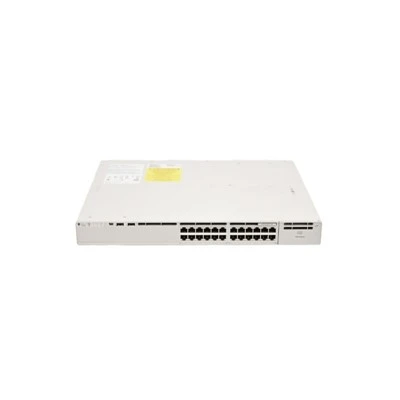
Let’s start with the basics: GDPR’s core focus is protecting personal data (any information that can identify a living person, from an email to a payroll number). Aruba’s firewalls don’t just block malicious traffic—they’re designed to make sure you don’t accidentally expose that data. One of the first features I point customers to is granular access control. Unlike generic firewalls that let you set broad rules, Aruba’s platform lets you assign specific access rights to individual users or teams. For example, if you run a marketing firm, your content team doesn’t need access to full client payroll data. Aruba’s role-based access control (RBAC) lets you lock that down, ensuring only the people who need to handle personal data can get to it. Under GDPR, the right to “data minimization” is non-negotiable—you shouldn’t collect more personal data than you need. This feature helps you enforce that, because you can restrict access only to the exact data a user requires to do their job.
Next, data encryption is another big one. GDPR mandates that personal data, both in transit and at rest, be encrypted to prevent unauthorized access. Aruba firewalls support IPsec VPNs for secure remote access—so if your employees work from home, they’re connecting to your network through an encrypted tunnel, not sending personal data over public Wi-Fi where it can be intercepted. For data stored on your local servers or cloud, Aruba integrates with encryption tools to ensure that any personal data leaving the network is scrambled, and only authorized devices can decrypt it. I’ve had a customer who forgot to encrypt client payment numbers on their local drive; after switching to Aruba, they set rules that block any unencrypted transmission of personal payment data, which saved them from a potential GDPR audit red flag.
Another critical GDPR requirement is audit trails and accountability. The regulation says you must be able to prove that you’re handling personal data correctly, and if something goes wrong, you can trace how it happened. Aruba firewalls generate detailed, immutable logs of all network activity—who accessed what data, when, and from where. These logs aren’t easy to edit, so they hold up in audits. For example, if a customer reports that their personal email was accessed improperly, you can pull the firewall logs to see if it was an internal mistake, a phishing attack, or a misconfigured access rule. Before Aruba, one of my clients spent 10 hours digging through scattered server logs during a GDPR audit; with Aruba, they pulled the full audit trail in 5 minutes. That’s the kind of efficiency that takes a lot of stress out of compliance.
Data breach notification is a part of GDPR that many businesses overlook until it’s too late. You have 72 hours to notify regulators if a breach exposes personal data, and Aruba’s firewalls have built-in breach detection tools that can spot unusual activity before it becomes a major issue. For example, if a device is trying to exfiltrate thousands of client records all at once, the firewall will flag that activity immediately. It can also alert your security team in real time, so you can contain the breach fast. I remember a small e-commerce client that had a malware infection; Aruba’s firewall detected the unauthorized data transfer within hours, letting them stop it before any data left the network. If they’d waited longer, they could have faced hefty fines. This feature turns GDPR’s strict breach timeline from a problem into a manageable process.
Let’s talk about data subject access requests (DSARs) too. GDPR gives individuals the right to request a copy of all the personal data you hold about them. For companies that store hundreds of thousands of customer records, this can be a massive task—if you have to dig through spreadsheets, emails, and servers, you might miss something or take too long (the rule is one month). Aruba’s firewalls integrate with your network’s data inventory tools, so they can help you locate where personal data is stored quickly. For example, if a customer asks for their account data, the firewall logs will show exactly which servers and databases hold that information, so you can compile the request fast. I’ve seen clients cut their DSAR response time from weeks to days just by using Aruba’s network visibility features. That not only keeps you compliant but also builds trust with your customers.
It’s not just individual features—Aruba’s firewalls are designed to work with other GDPR-compliant tools, too. For businesses using cloud services, Aruba integrates with major cloud providers’ security platforms, so you can maintain consistent control over personal data whether it’s on-prem or in the cloud. That’s a big one, since many GDPR violations happen because companies have siloed data between different systems. Aruba’s centralized management console lets you apply the same compliance rules across your entire network, from the office firewall to remote employee devices. No more making exceptions for cloud apps or home Wi-Fi—everything is aligned with GDPR.
I also want to mention compliance reporting. Aruba’s firewall software includes pre-built compliance templates specifically for GDPR. These templates let you generate reports that show exactly how your network meets GDPR requirements, including access control, encryption, breach detection, and audit logs. When you’re preparing for a GDPR audit, you don’t have to build reports from scratch—you can use these templates to pull all the necessary data in minutes. I’ve had customers say that the time they spend on audit prep dropped by 80% after switching to Aruba. That frees up your IT team to focus on other business goals, not just compliance paperwork.
Of course, no product is perfect, and I always be honest with customers about that. Aruba’s firewalls aren’t a “set it and forget it” solution—you still need to train your team on GDPR best practices, and you have to keep the firewall’s software updated to get the latest compliance patches. But as someone who’s worked with Aruba firewalls for years, I can say that they take a lot of the heavy lifting out of GDPR compliance. The problem I see most is that generic firewalls were built to block attacks, not to align with specific regulations like GDPR. Aruba’s design prioritizes both, so you don’t have to choose between security and compliance.

If you’re a business owner or IT manager who’s been struggling to get your GDPR compliance on track, let’s connect. We can walk through your specific needs, show you how Aruba’s firewall features apply to your industry, and answer any questions you have about how to make compliance manageable. Don’t wait until an audit or a breach forces you to scramble—take control of your data protection now.
Switches for Cisco References
General Data Protection Regulation (GDPR), Official Journal of the European Union
Aruba Networks, “GDPR Compliance with Aruba Security Solutions,” Product Brief
International Association of Privacy Professionals (IAPP), “GDPR Compliance Requirements for Network Security”
AITI Tech Limited
AITI Tech Limited is one of the most professional firewalls for aruba manufacturers and suppliers in China for over 20 years, featured by quality products and low price. Welcome to buy bulk discount firewalls for aruba in stock here from our factory. If you have any enquiry about pricelist, please feel free to email us.
Address: 6F, Haogong Building, Yannan Road, Futian District, Shenzhen, China
E-mail: kelly@hkaiti.com
WebSite: https://www.hkaiti.com/
