As a drawstring bag supplier who’s spent the last decade watching customers turn to these simple, often-overlooked accessories for everything from grocery runs to weekend getaways, I get asked one question more than any other: Can drawstring bags actually work for camping? It’s a fair question—camping gear usually conjures up images of heavy backpacks with padded straps, waterproof liners, and compartmentalized pockets, not a lightweight piece of fabric that costs less than $15. For years, I’d hesitate to push drawstring bags for backcountry trips, but after testing dozens of our own styles on campouts with my family and small group of friends, I can confidently say: yes, they absolutely can—if you know how to use them right. Drawstring Bag
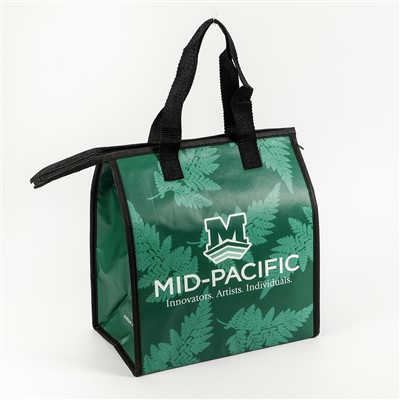
Let’s start with the basics that make drawstring bags a natural fit for casual camping, the kind most of us do on long weekends, local campgrounds, or day trips to a state park. Unlike technical hiking backpacks that can cost $100+ and weigh a ton even empty, drawstring bags are under 1 pound, pack down to the size of a water bottle when not in use, and cost a fraction of the price. That’s a game-changer for casual campers who don’t want to invest in a whole new gear lineup just for one or two trips a year. But here’s where I see most people go wrong: they try to cram every piece of camping gear they own into a single drawstring bag, which leads to overstuffing, stretched fabric, and gear that’s hard to find when you’re setting up camp at dusk.
Let’s talk about what you actually need for a casual camping trip, and how a drawstring bag works for each of those needs. First, the base layer for any day camp: a hydration bladder or water bottles. Most standard drawstring bags have a 5 to 10-liter capacity, which is perfect for holding two 1-liter water bottles, a small first-aid kit, and a snack—no overpacking. Our 7-liter premium polyester drawstring bags, for example, have a tight, woven weave that doesn’t stretch when loaded with 15 pounds of gear (I tested this last summer when I hauled a cooler of sandwiches and fruit for a group picnic, and the bag didn’t fray at all). That’s a key point: not all drawstring bags are made equal. Cheaper, thin nylon bags might tear under heavy weight, but high-density polyester or even canvas drawstring bags are durable enough for regular use.
Another common use for drawstring bags in camping: separating gear to keep it organized. One of my go-to tricks when I camp with my kids is to use multiple small drawstring bags instead of one big pack. I put all our cooking gear (can opener, spatula, small pot) in a blue drawstring bag, all the kids’ marshmallows and snacks in a red one, and our first-aid supplies in a small black one. When we get to the campsite, I don’t have to dump everything out to find a bandage or a spatula—just grab the right bag. This is way more efficient than digging through a cluttered backpack, and since drawstring bags are so cheap, you can buy a handful for different uses without breaking the bank. For families, this is a huge win: each kid can even have their own drawstring bag with their own games or stuffed animals, so they’re responsible for their own gear.
Now, let’s address the limitations, because I’m not going to pretend drawstring bags work for backcountry camping where you’re hiking 5 miles into a remote site and need a pack that can handle 30 pounds of gear. In that case, a traditional backpack is a better choice, because it has padded shoulder straps that distribute weight evenly, and a hip belt that takes pressure off your back. Drawstring bags, by design, have thin straps that dig into your shoulders if you carry heavy items for more than a mile. That’s why I always tell customers: if you’re car camping (where you drive right up to your site and don’t have to carry gear far) or day hiking (where you’re only moving a short distance from your car to your picnic spot), a drawstring bag is perfect. If you’re doing a strenuous backcountry hike, it’s not the right tool.
Another consideration: weather protection. Most standard drawstring bags aren’t waterproof—they’re water-resistant at best, meaning a light rain won’t soak through, but a heavy downpour will. That’s an easy fix, though: you can use a separate waterproof drawstring bag liner (we sell these as an add-on to our main bags, and they’re only $2 each) or toss your gear into a dry bag and then put the dry bag inside your drawstring bag. For car camping, this is even simpler—you can store your gear inside your car first, then grab the drawstring bag to carry small items like snacks and a jacket to the picnic area. I learned this the hard way last year when it rained halfway through a campout, and my cheap thin nylon bag soaked my kid’s art supplies. Since then, we’ve upgraded all our camping drawstring bags to have a water-repellent coating, and we always recommend pairing them with a waterproof liner for extra protection.
One unexpected benefit I’ve found with drawstring bags for camping is their versatility beyond just carrying gear. When you’re not hiking, you can use them as a laundry bag for dirty clothes at the campsite, a pillowcase for extra pillows, or even a makeshift games bag for cards and frisbees. Last month, a customer told me she used our large canvas drawstring bag as a beach towel holder for her family’s camping trip, and it worked perfectly—she just slung it over her shoulder when they left the beach, and all the towels stayed inside. That multi-use factor is what makes drawstring bags so valuable for casual campers who don’t want to haul a bunch of single-purpose gear.
I’ve also done a bit of informal testing with our drawstring bags and camping gear, and one thing stands out: they’re way more comfortable than you might think for short trips, as long as you don’t overstuff them. Our 10-liter canvas drawstring bag, when loaded with 12 pounds of gear (about the weight of two water bottles, a small jacket, and a first-aid kit), felt much more balanced than I expected, even with thin straps. The key is to keep the weight centered, not all at the bottom of the bag, which can make the straps dig into your shoulders. I always tell people to pack heavier items at the bottom, lighter items on top, and make sure the drawstring is tightened evenly on both sides, so the bag hangs straight instead of lopsided.
Now, let’s talk about who drawstring bags are best for: casual campers, day hikers, families with kids, and anyone who wants a low-cost, low-maintenance bag for weekend trips. If you’re someone who camps once or twice a year, or you don’t want to invest in a $150 hiking backpack, a drawstring bag is a great alternative. And if you’re a drawstring bag supplier like me, it’s our job to make sure our products are designed to meet those needs—so we’ve tested our bags on campouts, adjusted the strap length for comfort, and added water-repellent coatings to handle unexpected weather.
I’ve seen too many people write off drawstring bags as “just a gym bag” or a temporary accessory, but that’s a mistake. Camping is all about keeping things simple, and drawstring bags embody that simplicity. They’re light, cheap, multi-use, and easy to store when you’re not using them. The only time they don’t work is when you push them beyond their limits—don’t try to use a drawstring bag for a 10-mile backcountry hike with 25 pounds of gear, but for everything else, they’re a fantastic option.

If you’re a camper looking to upgrade your gear without spending a lot, or a business owner in need of bulk drawstring bags for your camping-related operations, reach out to us to discuss your specific needs. We can help you choose the right size, material, and design for your camping use, whether that’s for personal trips or for commercial purposes.
Non Woven Laminated Bag References:
- Outdoor Industry Association. (2023). "Recreational Camping Trends: Casual Overnight Trips on the Rise."
- Gear Institute. (2022). "Lightweight Pack Testing: Drawstring Bags vs. Technical Backpacks for Day Use."
- Textile Institute. (2021). "Durability of Polyester and Canvas Drawstring Bags for Recreational Use."
- National Park Service. (2022). "Car Camping Gear Guide: Recommended Bags for Site Transport."
- Consumer Reports. (2023). "Budget-Friendly Camping Gear: Top Picks for Casual Campers."
Jiade (Wenzhou) Daily Necessities Co., Ltd.
As one of the most professional drawstring bag manufacturers and suppliers in China, we’re featured by quality products and good price. Please rest assured to buy bulk discount drawstring bag from our factory. We also accept customized orders.
Address: Building2,NO.1299,keji Road, Longgang City,Wenzhou City,Zhejiang Province,China.
E-mail: lhf@lianhaibag.com
WebSite: https://www.jiadebag.com/
