If you’re a hotelier, vacation rental owner, or someone who manages a handful of guest spaces, you know the guest room vibe can make or break a visitor’s entire stay. I’ve been a guest room furniture supplier for 12+ years, and I’ve heard it all from guests: “I wish there was a spot to set my book and water glass by the bed” or “That rickety table creaked so loud, I felt every time I got up to pee at 2 a.m.” So when people ask, “What’s a good bedside table for a guest room?” it’s not just about picking something that looks nice. It’s about pieces that work for them—the people who’ll use it for 1-3 nights, not years (though still built to last if you’re running a business). Let’s break this down like I’m chatting with you over a cup of coffee, no fancy industry jargon. Guest Room Furniture
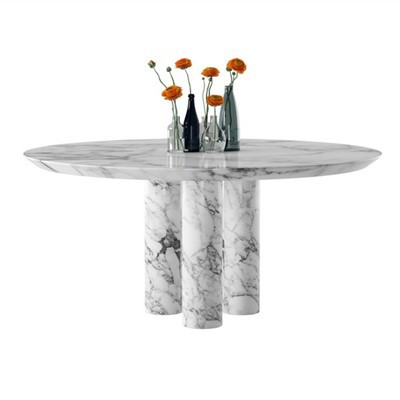
First up, size is non-negotiable. I can’t tell you how many times a hotel has tried to cram a tiny 18-inch wide side table next to a king bed, and it’s just frustrating. Guests don’t just need a spot for their phone or a nightstand lamp—they might have a paperback, a travel-sized skincare bottle, a charging cable, and that random snack they grabbed from the lobby minibar. Too small, and they’ll end up piling stuff on the floor, which looks messy and feels careless. But here’s the thing: it’s not about making it as big as possible. Guest rooms have limited square footage, right? You don’t want a 24-inch wide table that sticks out 6 inches past the mattress, making it hard to walk around the bed when you’re changing sheets or bringing in extra pillows. I always recommend a 20-22 inch width for king/queen beds, 18 inches for twin or full beds. That sweet spot gives enough surface space without crowding the room. Also, height matters. A table that’s too low means guests have to hunch over to set their glass down (nobody wants that when they’re half-asleep), and too high makes it feel awkward to reach from the bed. The rule? Top of the table should be 24-26 inches off the floor. That lines up almost perfectly with the top of a standard mattress, so it’s just a relaxed reach. We had a guest room client last year who tested every table height with a mattress mock-up, and their top complaint pre-fix was “the side table felt like I was reaching for something out of arm’s way.” Once we switched the height to 25 inches, that feedback vanished. Win-win.
Next, storage that’s useful, not gimmicky. A lot of people think bedside tables need a big drawer and a cabinet, but for guest rooms, guests don’t need to stow a week’s worth of clothes. What they do need is quick access to small stuff. Let’s be real: when you’re staying somewhere, you’re not going to dig through a deep cabinet for your earbuds at 1 a.m. A shallow drawer (3-4 inches deep) is perfect for charging cables, lip balm, a small notebook, and maybe a pen. That’s it. No wasted space for a giant drawer that’ll hold nothing but dust after the first month. Also, if you add an open shelf, make it 6-8 inches high—tall enough to set a reading book or a travel coffee mug, not so tall that it blocks the lamp. I’ve seen clients add a little hook underneath the table too; perfect for hanging a tote bag, a face mask, or even a pair of headphones. Gimmick? Nah, it’s the stuff guests actually notice and don’t have to ask about. And don’t get me started on those tiny “hidden” compartments that nobody can figure out—skip that. For guest rooms, transparent, easy-to-use storage is way better.
Material talk: durability over trends, always. If you’re buying furniture for a space that gets 50+ guests a month, scuffs, spills, and wear are non-negotiable. A cute pine table might look great in a Pinterest photo, but it’ll get water rings from a leaking glass before the week is done. My go-to materials? Solid wood veneer or high-quality MDF with a scratch-resistant laminate top. Wait, I know—some people snub MDF, but modern MDF is way better than it was 10 years ago. It doesn’t warp from humidity (huge for places like Florida or coastal areas) and it’s way cheaper than solid hardwood, which cuts down on your replacement costs if something does break. And laminate? Pick a matte finish, not glossy. Glossy shows every fingerprint and smudge, so your housekeeping staff will be spending extra time wiping it down. Matte hides little marks, and it’s way easier to keep clean. If you do want a natural wood look, go for a veneer with a clear, durable poly finish—not a raw, unfinished one. I’ve had clients try unfinished wood once, and within two weeks, they had a table full of water marks, nail polish spots, and even a little coffee stain from a guest who knocked over their morning latte. It wasn’t pretty, and they ended up replacing all 12 tables within three months. Oops.
Don’t forget the little, functional extras that make a table feel thoughtful. I know, I know—bedside tables are basic, but it’s the tiny touches that turn a “good stay” into a great one. First, power outlets and USB ports. Duh, right? I can’t tell you how many times a guest has texted my client saying, “I had to sleep with my phone on the floor because there’s no plug.” So we add a built-in power strip (not a bulky one that sticks out) with at least two regular outlets and two USB ports. Most tables we build now have those tucked in the back, under the top surface, so they’re out of sight but easy to reach when you’re sitting up in bed. Also, a sturdy lamp base? Wait, no—the table should be able to support a small table lamp, but don’t make the table so flimsy that it wiggles when you put a 10-pound lamp on it. We test every table for weight capacity—at least 25 pounds, which is more than enough for a lamp, a book, and a water bottle. Another thing: casters? No, wait—unless it’s a tiny guest room with a Murphy bed, you don’t need rolling tables. Rolling tables are great for offices, but they move when a guest leans on them to adjust their pillow, which is annoying. Instead, add little feet that are soft, not hard plastic. Soft feet don’t scratch the floor (super important for hardwood or tile, which is standard in most guest rooms now) and keep the table from sliding around. Housekeeping teams love this too, because they can push the table a little to vacuum underneath, and it doesn’t scrape the floor.
Wait, let’s talk about avoiding common mistakes, too. I’ve seen clients make two big ones: first, buying tables that match every single other piece in the room too perfectly. If your bed is a dark oak, don’t get a dark oak table—mix it up with a matte white or a light grey. It adds visual interest without feeling messy. Guests don’t want a room that looks like a furniture catalog; they want something that feels warm. Second, skipping the “negative space” around the table. I’ve had a client put a bedside table right up against the wall, with zero room to slide a chair or even reach the wall outlet. That’s a nightmare. Always leave 6-8 inches between the side of the table and the wall, and 12-18 inches between the foot of the table and the foot of the bed. That way, when a guest is getting out of bed, they don’t knock their shins on the table, and housekeeping can tuck a fresh sheet or a blanket under the bed easily. Oh, and don’t forget twin beds—those are in a lot of budget motels or family vacation rentals. For twin beds, go for a 16-inch wide table, and if you have two twin beds next to each other, don’t put a big table between them. A tiny shared shelf works, but most guests want their own space, so two small individual tables are better than one big one that blocks the path.
Also, accessibility is a big one that a lot of people sleep on. (Pun intended.) So many guest rooms have tables that are too high for guests with mobility issues, or too far from the bed. The ADA doesn’t require side tables, but adding a little extra thought here goes a long way. For example, make sure the side of the table has no sharp edges, and that the top is within easy reach for someone sitting in a wheelchair—so the height should be at most 28 inches, not higher. We’ve started adding rounded corners to all our tables now, too. No more sharp wood edges that someone can bump their head on when they’re half-asleep. It’s a small change, but it’s the kind of thing that makes guests feel cared about, not like an afterthought.
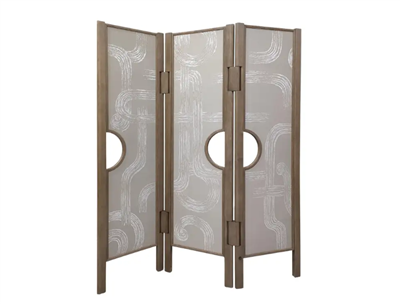
Let’s circle back to the basics: guest room furniture isn’t about impressing people with fancy design. It’s about working for usage. A guest is going to use this table for 1-3 nights, but if it’s flimsy, too small, or missing an outlet, they’ll remember that. I once had a guest leave a review that said, “The bedside table was so rickety, I didn’t dare set my coffee on it for fear it would fall.” That review hurt, not just because it was bad, but because it was a fixable thing—we had used a cheap particle board table that we thought would be “good enough” for low-budget guests. Never again. Now, we prioritize functionality over trendy shapes (even though we have some cute modern options, too) because at the end of the day, a good bedside table for a guest room is one that does what it’s supposed to: hold their stuff, be easy to use, not fall apart, and make their stay feel a little more comfortable.
Hotel Millwork If you’re in the market for bedside tables for your guest rooms, we’ve got a range of options from budget-friendly workhorses to premium, designer-style pieces—all built to handle the wear and tear of regular guests. Our team can help you pick the right size, material, and features based on your room layout, budget, and the vibe you want to create. We’ve worked with hotels, vacation rentals, and even small boutique inns, so we know what works for different spaces. Head over to our contact page (no link needed, just shoot us a message!) to chat through your needs and get a custom quote. We’re here to make sure your guest rooms have the right tables—tables that your guests will actually notice (in a good way) instead of complaining about.
References
- National Restaurant Association. (2022). Hospitality Furniture Durability Standards: Guidelines for Guest Room Furnishings.
- American Hotel & Lodging Association. (2021). Guest Experience Best Practices: Functional Furniture for Short-Term Stays.
- Furniture Industry Research Association. (2020). Side Table Dimensions and Accessibility for Residential and Commercial Guest Spaces.
Address: Room 1802, No. 2nd, Kexing Road, Baiyun District, Guangzhou, Guangdong Province, China
E-mail: sq@jiameiwood.com
WebSite: https://www.jiameiwood.com/
