When it comes to the oil and gas industry, drilling rigs are the unsung heroes that make exploration and extraction possible. As a seasoned drilling rigs supplier, I’ve witnessed firsthand the pivotal role these machines play in the energy sector. In this blog post, I’ll delve into the factors that influence the cost of a drilling rig and provide you with a comprehensive understanding of what goes into pricing these complex pieces of equipment. Drilling Rigs
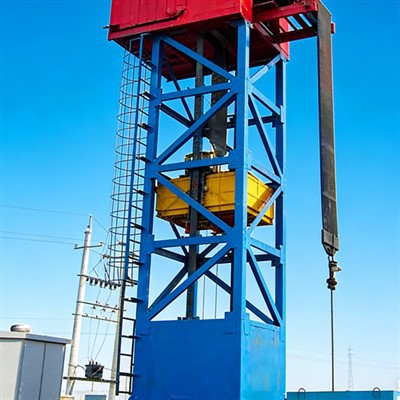
Understanding the Types of Drilling Rigs
Before we discuss the cost, it’s essential to understand the different types of drilling rigs available. Each type is designed for specific applications and environments, which significantly impacts its price.
Land Drilling Rigs: These are the most common type of drilling rigs used for onshore oil and gas exploration. They are typically less expensive than offshore rigs due to their simpler design and ease of transportation. Land rigs can be further classified into conventional rotary rigs, top drive rigs, and coiled tubing rigs, each with its own set of features and price points.
Offshore Drilling Rigs: Offshore rigs are used for drilling in the ocean and are more complex and expensive to build and operate. They are designed to withstand harsh marine conditions and require specialized equipment and infrastructure. There are several types of offshore rigs, including jack-up rigs, semi-submersible rigs, and drillships, each with its own unique capabilities and costs.
Directional Drilling Rigs: These rigs are used to drill wells at an angle or horizontally, allowing for more efficient extraction of oil and gas from reservoirs. Directional drilling rigs are typically more expensive than conventional rigs due to their advanced technology and precision requirements.
Factors Affecting the Cost of a Drilling Rig
The cost of a drilling rig is influenced by several factors, including the type of rig, its size and capacity, the technology and equipment used, and the location and environment in which it will be operated. Let’s take a closer look at each of these factors.
Type of Rig: As mentioned earlier, the type of rig is one of the most significant factors affecting its cost. Offshore rigs are generally more expensive than land rigs due to their complex design and the need for specialized equipment and infrastructure. Directional drilling rigs are also more expensive than conventional rigs due to their advanced technology and precision requirements.
Size and Capacity: The size and capacity of a drilling rig also play a significant role in its cost. Larger rigs with higher drilling depths and capacities are generally more expensive than smaller rigs. The size and capacity of a rig are determined by the type of well being drilled and the specific requirements of the project.
Technology and Equipment: The technology and equipment used in a drilling rig can also have a significant impact on its cost. Advanced technologies such as automated drilling systems, real-time data monitoring, and directional drilling capabilities can increase the cost of a rig. Additionally, the quality and reliability of the equipment used in a rig can also affect its price.
Location and Environment: The location and environment in which a drilling rig will be operated can also affect its cost. Rigs operating in remote or harsh environments may require additional equipment and infrastructure to ensure their safe and efficient operation. Additionally, the cost of transporting and installing a rig in a remote location can also be significant.
Cost Breakdown of a Drilling Rig
To better understand the cost of a drilling rig, let’s take a closer look at the different components that make up its price.
Equipment and Materials: The cost of the equipment and materials used in a drilling rig is one of the most significant factors affecting its price. This includes the drilling equipment, such as the drill bit, drill pipe, and mud pumps, as well as the supporting equipment, such as the power generation system, the hoisting system, and the control system.
Labor and Installation: The cost of labor and installation is another significant factor affecting the price of a drilling rig. This includes the cost of hiring skilled workers to assemble and install the rig, as well as the cost of transporting the rig to the drilling site.
Maintenance and Repair: The cost of maintenance and repair is an ongoing expense associated with owning and operating a drilling rig. This includes the cost of regular maintenance, such as oil changes and equipment inspections, as well as the cost of repairs and replacements in the event of a breakdown.
Operating Costs: The operating costs of a drilling rig include the cost of fuel, electricity, and other consumables, as well as the cost of hiring skilled operators and support staff. These costs can vary depending on the type of rig, its size and capacity, and the location and environment in which it is operated.
Examples of Drilling Rig Costs
To give you a better idea of the cost of a drilling rig, let’s take a look at some examples of the prices of different types of rigs.
Land Drilling Rigs: The cost of a land drilling rig can range from a few hundred thousand dollars to several million dollars, depending on its size and capacity. A small, portable land rig with a drilling depth of up to 1,000 feet can cost around $200,000 to $500,000, while a larger, more powerful rig with a drilling depth of up to 10,000 feet can cost upwards of $5 million.
Offshore Drilling Rigs: The cost of an offshore drilling rig is significantly higher than that of a land rig due to its complex design and the need for specialized equipment and infrastructure. A jack-up rig, which is a type of offshore rig that can be moved from one location to another, can cost anywhere from $100 million to $300 million. A semi-submersible rig, which is a more advanced type of offshore rig that can operate in deeper waters, can cost upwards of $500 million.

Directional Drilling Rigs: The cost of a directional drilling rig is also higher than that of a conventional rig due to its advanced technology and precision requirements. A directional drilling rig can cost anywhere from $2 million to $10 million, depending on its size and capacity.
Conclusion
Drilling Rigs In conclusion, the cost of a drilling rig is influenced by several factors, including the type of rig, its size and capacity, the technology and equipment used, and the location and environment in which it will be operated. As a drilling rigs supplier, I understand the importance of providing our customers with high-quality, reliable equipment at a competitive price. If you’re in the market for a drilling rig, I encourage you to contact us to discuss your specific needs and requirements. Our team of experts will work with you to find the right rig for your project and provide you with a detailed cost estimate.
References
- American Petroleum Institute. (2023). Drilling Rig Design and Operation.
- International Association of Drilling Contractors. (2023). Drilling Rig Technology and Safety.
- Society of Petroleum Engineers. (2023). Drilling Engineering Handbook.
Shandong Rongli Intelligent Manufacturing Co., Ltd.
We’re well-known as one of the leading drilling rigs manufacturers and suppliers in China, featured by quality products and good price. Please rest assured to wholesale high-grade drilling rigs for sale here from our factory. Also, quotation is available.
Address: No.3336, Haidai North Road, Qingzhou City, Shandong Province, 262515, P.R.C.
E-mail: Support@rongligroup.com
WebSite: https://www.oilequipmentsupply.com/
